
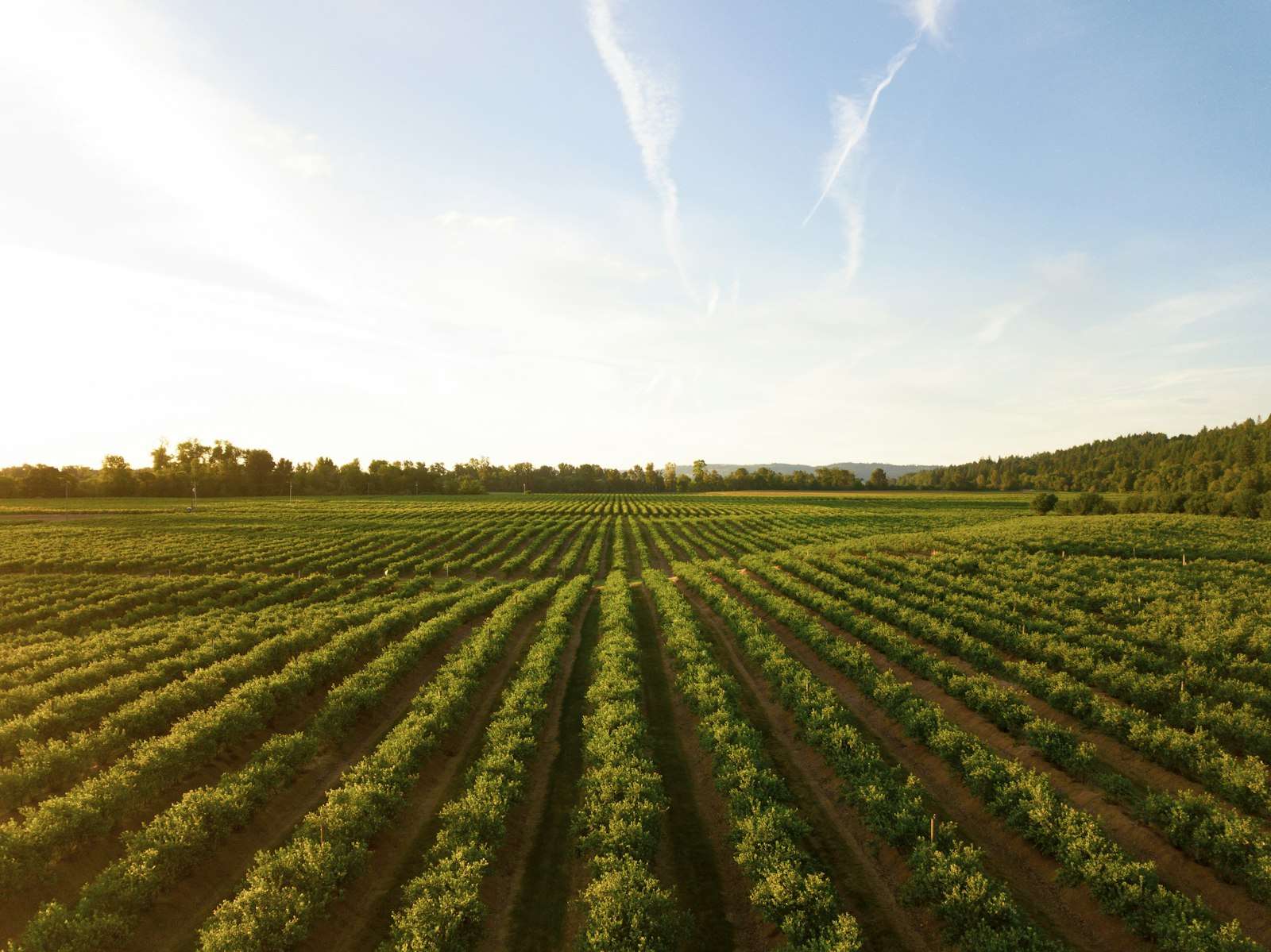
The Riverina — Wagga Wagga, Griffith, and the towns around them — is genuinely different lending territory to anywhere I’ve worked in NSW, mainly because of how much local income is tied to agriculture, either directly through farming and irrigation-dependent industries, or indirectly through the businesses that service them.
Why Agricultural Income Trips Up Standard Assessment
Most lender serviceability models are built around a simple assumption: consistent, predictable monthly income. Farming income doesn’t work that way — it’s seasonal, weather-dependent, and can vary significantly year to year based on factors entirely outside the borrower’s control. A genuinely stable, long-running farming operation can still look volatile on a standard two-year tax return average, which is exactly the metric a lot of serviceability calculators default to.
This doesn’t mean agricultural borrowers can’t get approved — it means the standard process often understates their real capacity, and it’s worth knowing that going in rather than being surprised by a conservative assessment.
What Actually Helps an Agricultural Application
Longer income history (3-5 years rather than the standard two) gives a lender a much fairer picture of the actual seasonal pattern rather than one unlucky or one unusually good year skewing the average. Diversification — off-farm income, a spouse’s separate employment, or multiple income streams within the operation — also genuinely strengthens an application by reducing reliance on any single season’s result.
The Second Factor: Property Type
Riverina properties are also more likely to sit on larger acreage or have a mixed residential-and-agricultural use, which some lenders’ standard residential loan products don’t cleanly cover. A rural residential loan or a specific “lifestyle block” product might apply instead of a standard home loan, often with different deposit and valuation requirements — worth clarifying with your lender before you assume a standard product will fit.
What This Means If You’re Buying or Refinancing Here
If your income is agricultural
Bring more history than you think you need, and be ready to explain any unusual year rather than hoping it gets averaged out unnoticed. A conversation with your lender or broker before you apply, specifically about how they treat farming income, saves a lot of frustration later.
If you’re buying a rural residential or larger-acreage property
Confirm which loan product actually applies before you get attached to a property — the deposit and valuation requirements can differ meaningfully from a standard suburban home loan.
Frequently Asked Questions
Can farmers get standard home loans?
Yes, but the assessment process often needs a longer income history and more context than a standard PAYG application, since seasonal variation can make a genuinely stable farming income look inconsistent on paper.
Does a larger rural property need a different type of loan?
Often yes — properties with significant acreage or mixed agricultural use may fall under a rural residential or lifestyle-block loan product rather than a standard home loan, which can carry different deposit and valuation requirements.
How many years of income history do lenders want from agricultural borrowers?
Standard PAYG applications often use two years, but for agricultural income, 3-5 years gives a fairer picture of the real seasonal pattern and is worth providing even if not strictly required.
The Bottom Line
Riverina buyers and refinancers dealing with agricultural income aren’t harder to approve — they’re differently assessed, and knowing that upfront changes how you prepare an application rather than being caught out by a conservative first read.
Related Reading
- The Real Reason: Why a Business Owner Earning $180K Almost Couldn’t Buy a Home — the same real-vs-assessed income gap from a different industry
- Buying in the Illawarra: What the Bank Actually Looks at Differently — another regional NSW lending nuance


One Comment