
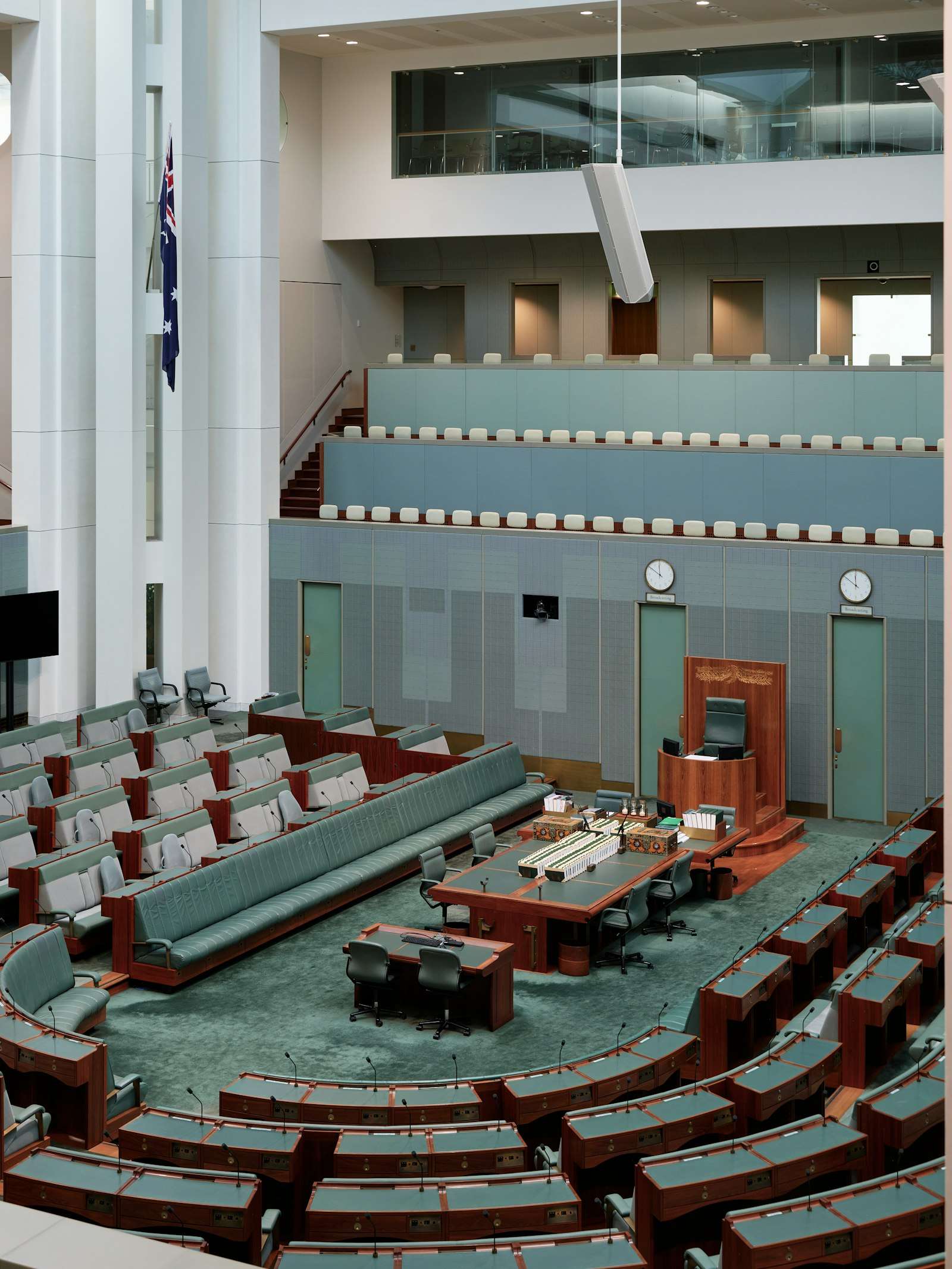
Canberra is one of the more unusual property markets in Australia, and it comes down to one fact: an enormous share of the local workforce is employed by the Australian Public Service. That single detail changes how lenders actually look at serviceability here, in ways that don’t always come up in generic home-loan advice written for a national audience.
Why APS Employment Reads Differently to a Lender
Ongoing APS employment is generally viewed favourably for serviceability — it’s stable, salaried, and well-documented, which is exactly what a credit assessor wants to see. Where it gets more complicated is with the employment types that are extremely common in Canberra but less common elsewhere: non-ongoing (fixed-term) contracts, labour-hire arrangements through recruitment firms, and consulting engagements to government departments.
These aren’t automatically a problem, but they’re assessed differently — often requiring a longer track record, more documentation of contract renewal history, or a shorter effective loan term for serviceability purposes, depending on the lender’s specific policy.
The APS Pay Scale Advantage
One genuine advantage: APS salaries are publicly published against classification levels (APS1 through EL2, SES bands above that). A payslip that matches a known, verifiable pay scale can actually make income verification more straightforward than a private-sector role with a more opaque salary structure — worth knowing if you’re assembling your application.
What This Means If You’re Buying in Canberra
If you’re on an ongoing APS contract
You’re generally in a strong position for serviceability. The main thing worth checking is whether your specific lender’s policy treats your classification and any allowances (like a Canberra-specific loading, if applicable to your role) the way you expect.
If you’re on a non-ongoing or contract arrangement
Build your case before you apply — a documented history of contract renewals, a letter from your department outlining the likelihood of extension, and a track record of at least 12-24 months in similar roles all strengthen a serviceability case that would otherwise look riskier on paper than your actual employment reality.
If you’re a labour-hire or consulting contractor to government
This is the group most likely to be surprised by how a lender reads their income. Some lenders are comfortable with this arrangement given how common it is in Canberra specifically; others apply the same conservative treatment they’d use for any contractor. It’s worth asking a lender directly how they treat this exact employment type before assuming your income will be read the way you expect.
Frequently Asked Questions
Does working for the APS make it easier to get a home loan?
Ongoing APS employment is generally viewed favourably due to its stability and clear documentation. Non-ongoing, contract, and labour-hire arrangements common in Canberra are assessed on their own merits and can require additional evidence.
Do lenders treat Canberra differently to other cities?
Not the property market itself, but the concentration of APS and government-contract employment in Canberra means lenders’ general policies around contract and non-ongoing employment come into play more often here than in most other Australian cities.
What documentation helps a non-ongoing APS contract get approved?
A history of contract renewals, a letter from your department indicating the likelihood of extension, and a solid track record in similar roles all help demonstrate genuine income stability beyond the current contract’s end date.
The Bottom Line
Canberra’s lending environment isn’t harder or easier than anywhere else — it’s just shaped by a workforce structure most generic home-loan advice doesn’t account for. Know how your specific employment type is likely to be assessed before you apply, not after.
Related Reading
- Canberra Property Market 2026: Rate Rises, Not Cuts, Reshape the Outlook — the broader market context for buyers here
- The Real Reason: Why a Business Owner Earning $180K Almost Couldn’t Buy a Home — a similar income-verification challenge from a different angle


