
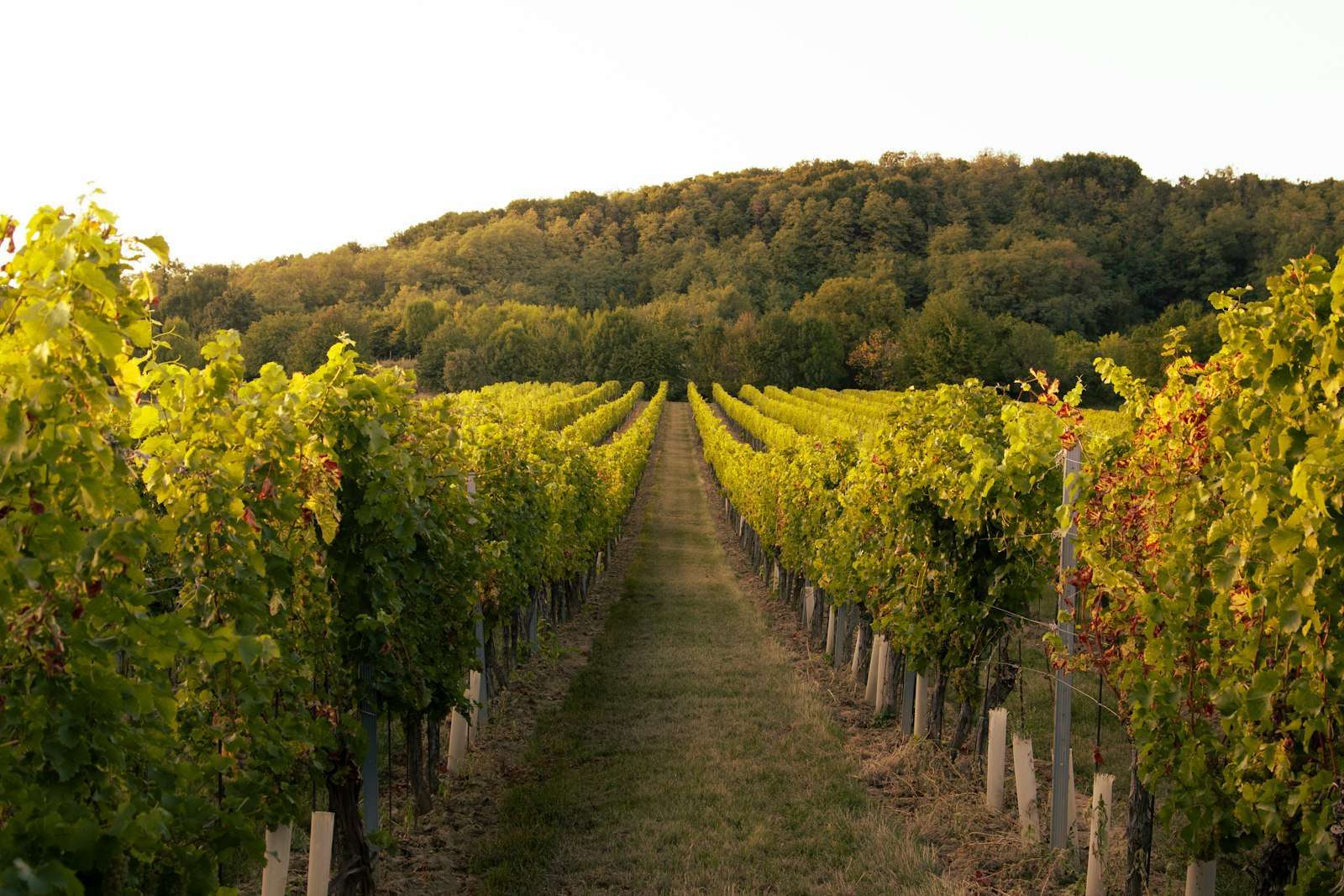
I’ve written before about how agricultural income generally trips up standard serviceability assessment across the Riverina. Griffith and the Murrumbidgee Irrigation Area deserve their own look, because the specific type of agriculture here — irrigated horticulture and viticulture, not broadacre grain and livestock — creates a genuinely different set of considerations to the rest of the region.
A More Diversified Economy Than the “Farming Town” Label Suggests
Griffith’s median house price sits around $620,000-$660,000, with rental yields running well above 4.5% — genuinely strong compared to the sub-4% yields typical in Sydney and Melbourne. What’s easy to miss from the outside is how diversified the underlying employment base actually is: viticulture and wine production, horticulture, food processing, Griffith Base Hospital’s healthcare workforce, and a Charles Sturt University campus all contribute alongside the broadacre and irrigated farming that built the town’s reputation. That diversification is a genuine point in Griffith’s favour when a lender is assessing the resilience of local employment, compared to a single-industry regional town.
Why Irrigated Horticulture Assesses Differently to Broadacre Farming
Standard agricultural serviceability advice — bring 3-5 years of income history, expect seasonal variation, document diversification — still applies here, but irrigated perennial crops (grapes, citrus, stone fruit) behave differently to annual broadacre crops in ways worth understanding specifically.
Water Allocation Is Effectively a Second Asset
An MIA irrigation licence or water allocation carries real, separately assessable value, distinct from the land itself. For a farming borrower, this can work in your favour — it’s a genuine asset a lender can factor into an overall security and serviceability picture — but it also means valuations and applications need to account for water entitlements explicitly rather than assuming they’re bundled invisibly into the land value.
Perennial Crops Smooth Some Volatility, Concentrate Other Risk
Unlike an annual grain crop that resets every season, an established vineyard or orchard represents years of prior investment producing a more predictable (though not risk-free) annual yield once mature. The volatility that remains is concentrated differently — a bad frost or hail event affects that season’s crop without destroying the underlying asset, whereas a multi-year disease or water-security issue is the more serious long-run risk. Lenders familiar with the region tend to understand this distinction; it’s worth confirming your specific lender does too, rather than assuming generic “farming income” policy applies identically.
What This Means If You’re Buying or Refinancing Here
If your income comes from viticulture or horticulture specifically
Present your water allocation and entitlements as a distinct, explicit part of your application rather than assuming it’s captured in a general property valuation.
If you’re a first-home buyer drawn by Griffith’s affordability
The town’s diversified employment base (health, education, food processing, alongside agriculture) is worth highlighting in your application if your own income comes from one of these sectors rather than farming directly — it’s a genuinely different risk profile to a purely agricultural applicant.
If you’re investing for yield
Griffith’s rental yields are a real strength, but they reflect a regional price base, not a discount market with hidden problems — the fundamentals (agriculture, healthcare, education, food processing) are genuinely diversified, not a single-industry bet.
Frequently Asked Questions
Does a water allocation or irrigation licence affect a home loan application?
It can add genuine, separately assessable value for farming borrowers, but it needs to be presented explicitly — don’t assume it’s automatically factored into a standard property valuation.
Is Griffith’s economy purely agricultural?
No — while agriculture, viticulture, and food processing anchor the local economy, healthcare (Griffith Base Hospital) and education (a Charles Sturt University campus) contribute meaningfully to a more diversified employment base than a single-industry farming town.
Do perennial crops like grapes get assessed differently to annual crops for lending purposes?
Often yes in practice, since an established vineyard or orchard represents a more mature, historically-yielding asset than an annual crop that resets each season — though the standard advice to bring longer income history and document diversification still applies to both.
The Bottom Line
Griffith and the MIA aren’t simply “more Riverina farming income” — the irrigated horticulture and viticulture base, the water allocation as a distinct asset, and a more diversified employment mix than the town’s reputation suggests all change how an application here should actually be built.
Related Reading
- Riverina Property: Why Regional Serviceability Rules Catch Buyers Out — the broader Riverina agricultural-income picture this builds on
- The Real Reason: Why a Business Owner Earning $180K Almost Couldn’t Buy a Home — another income-verification challenge from a different angle
Written by Michael Wignall, who’s spent 30+ years in banking and home lending across the ACT, Illawarra, and Riverina regions of NSW.


