
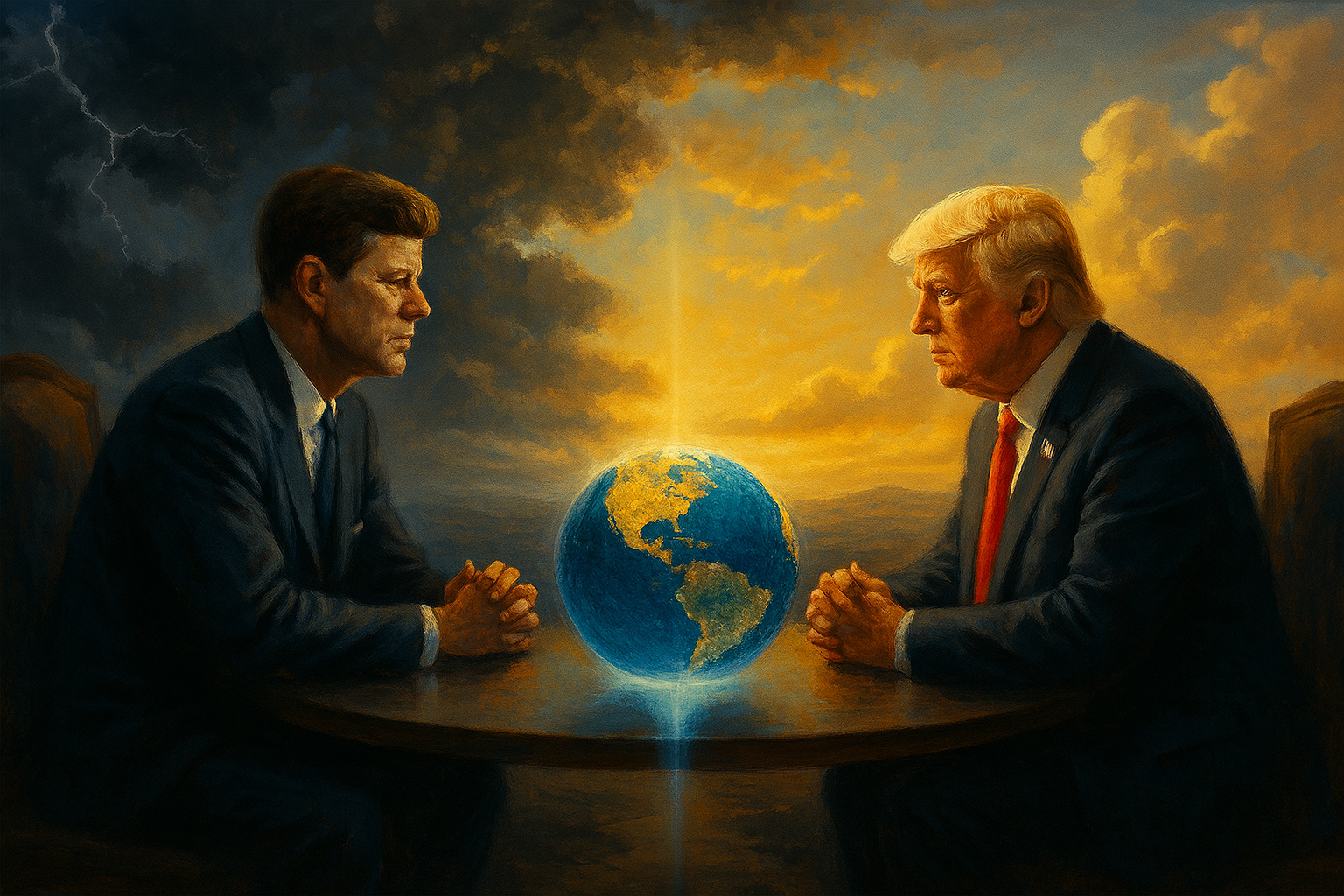
In a world marked by turmoil and division, the leadership styles and philosophies of past presidents can offer valuable insights for contemporary politicians. John F. Kennedy, known for his charisma and commitment to diplomacy, faced numerous global crises during his time in office. If he were to advise Donald Trump in today’s chaotic environment, one can only imagine the blend of wisdom and pragmatism that would emerge. This article explores JFK’s potential guidance on embracing diplomacy, navigating uncertainty, fostering national unity, and the importance of communication.
Embracing Diplomacy: JFK’s Approach to Global Conflicts
JFK was a staunch advocate for diplomacy and believed that dialogue should always precede confrontation. His handling of the Cuban Missile Crisis is a prime example; rather than resorting to military action, he opted for negotiation and communication. In today’s world, rife with geopolitical tensions, he would likely advise Trump to engage with adversarial nations through peaceful channels. JFK understood that every conflict has a solution rooted in understanding, and he would encourage a similar mindset in approaching international relations.
Additionally, Kennedy recognized the significance of alliances. He would likely stress to Trump the importance of strengthening relationships with traditional allies, as collaborative efforts can yield far more beneficial outcomes than unilateral actions. In a chaotic world where alliances are increasingly tested, JFK would remind Trump that fostering trust and cooperation is essential for global stability. He would advocate for multilateral discussions to address pressing issues like climate change, trade disputes, and security threats, emphasizing the need for collective action.
Finally, JFK would urge Trump to remember the lessons of history. He would analyze how past conflicts escalated due to the absence of dialogue and propose proactive measures to prevent similar situations. In essence, he would champion the idea that diplomacy is not a sign of weakness but rather a strategic tool for leadership, urging Trump to harness this approach in navigating the complexities of today’s world.
Leadership in Uncertainty: Lessons from JFK’s Era
JFK’s presidency was characterized by a sense of uncertainty, particularly during the Cold War, yet he approached these challenges with a level of resolve that inspired confidence. He would likely advise Trump to maintain a steady hand during turbulent times, emphasizing the importance of clear decision-making and a calm demeanor. Unpredictability can be a dangerous trait in leadership, and JFK would stress that a composed leader can inspire hope and stability in the populace.
Moreover, he would remind Trump that great leaders often emerge in times of crisis. JFK harnessed the power of the moment, using it to galvanize the nation around shared goals. In today’s chaotic environment, where polarization can paralyze progress, JFK would encourage Trump to find common ground, urging him to focus on the greater good rather than partisan interests. By framing challenges as collective opportunities, a leader can foster resilience and unity among citizens.
Lastly, JFK would likely highlight the importance of adaptability in leadership. The world is constantly changing, and the ability to pivot in response to new information is crucial. He would encourage Trump to be open-minded, willing to listen to advisors, and to engage with diverse perspectives. By embracing flexibility, Trump could navigate through uncertainty with the poise and foresight reminiscent of JFK himself.
Unity and Compassion: JFK’s Vision for a Divided Nation
Kennedy was a strong proponent of unity, believing that a nation divided against itself cannot stand. In an era where division seems to permeate every aspect of society, JFK would likely implore Trump to prioritize healing the wounds of division. He would stress the importance of empathy and compassion, encouraging the president to listen to the voices of all Americans, especially those often marginalized. Fostering a sense of community is vital for any leader seeking to maintain social cohesion.
Furthermore, JFK understood that words carry weight. He would likely advise Trump to be mindful of his rhetoric, as it can either heal or exacerbate divisions. By promoting messages of unity and solidarity, he could inspire a collective movement towards healing. JFK’s speeches often reflected optimism and a call to higher ideals; similarly, he would encourage Trump to elevate discourse and focus on the values that unite rather than divide.
Finally, JFK would remind Trump of the importance of service to others. He famously inspired the nation to ask what they could do for their country. In a divided landscape, he would emphasize the need for shared goals and collective action. By rallying Americans around community service and civic engagement, Trump could help bridge divides and foster a sense of shared purpose among citizens.
The Power of Communication: Connecting with the People
JFK was a master communicator, adept at using media to connect with the public. In an age dominated by social media and rapid information exchange, he would likely advise Trump to embrace this power while remaining authentic and transparent. Effective communication fosters trust, and JFK would stress the importance of being forthcoming with the American people, especially during crises. Building that trust can serve as a foundation for effective leadership.
Moreover, JFK understood the significance of storytelling. He would encourage Trump to share his vision for the country in a manner that resonates emotionally with citizens. Whether addressing economic challenges, social issues, or foreign policy, framing these topics in relatable terms can foster a greater connection with the public. JFK’s ability to inspire through narrative would remind Trump that connecting with people is not just about policies but also about the human experience.
Finally, JFK would likely remind Trump of the importance of listening. Communication is a two-way street, and understanding the concerns and aspirations of diverse communities is crucial for effective governance. He would advise Trump to engage with citizens directly, whether through town halls or social media interactions. By fostering an open dialogue, Trump could better understand the needs of the populace, creating a more inclusive and responsive administration.
In summation, if John F. Kennedy were to offer advice to Donald Trump in today’s chaotic world, it would undoubtedly be rooted in diplomacy, unity, and effective communication. His insights would encourage a focus on collaborative international relations, resilient leadership in the face of uncertainty, and a commitment to fostering compassion within a divided nation. By embracing these principles, Trump could navigate the complexities of modern governance while inspiring hope and confidence among the American people, just as JFK once did.


