
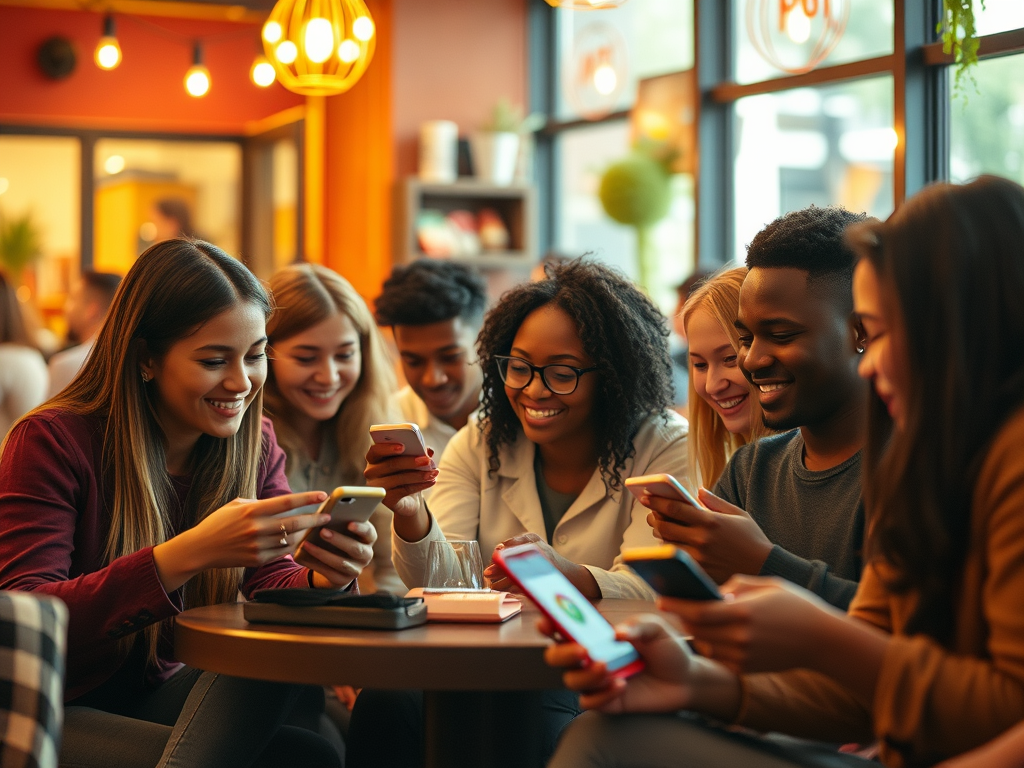
A Genuine Force for Connection
Social media has done something no previous communication technology managed at this scale: it’s collapsed distance. People separated by oceans and time zones now maintain real relationships, share cultures, and organize around shared causes with a few taps on a screen. Movements that once struggled to gain traction — #BlackLivesMatter and #MeToo are the clearest examples — found footing and momentum through these platforms, giving voice to people who previously had no reach beyond their immediate community.
It’s also become one of the fastest information channels that exists. During natural disasters, public health emergencies, and breaking news events, social platforms often carry real-time updates faster than traditional media, helping coordinate everything from disaster response to community support.
The Costs That Come With It
None of that comes free. Three problems in particular have proven persistent and hard to solve.
Privacy. Every post, like, and comment adds to a data trail that platforms and advertisers can use in ways most users never fully consent to or understand. That data has real value — which is exactly why it gets collected, packaged, and sometimes exploited.
Mental health. The gap between curated online personas and everyday reality has been consistently linked to anxiety, body image issues, and lower self-esteem, particularly among younger users who’ve grown up measuring themselves against a highlight reel rather than a real life.
Misinformation. The same speed that makes social media useful during a crisis also lets false information spread before it can be corrected. The consequences have shown up in elections, public health responses, and everyday public discourse — false narratives can outrun their corrections by days or weeks.
What Responsible Use Actually Looks Like
Closing this gap isn’t one party’s job. Platforms can build in friction against pile-ons and cyberbullying, and be more transparent about how their algorithms decide what people see. Regulators can push for real data protections rather than symbolic ones. But a meaningful share of the responsibility sits with users themselves — building the habit of checking a claim before sharing it, and noticing when scrolling has stopped being enjoyable and started being compulsive.
Digital literacy — the ability to tell a credible source from an unreliable one, and to recognize manipulation when you see it — is probably the single most useful skill for navigating this environment, and it’s one that’s rarely taught explicitly.
Where This Goes Next
Emerging technologies like virtual and augmented reality are set to blur the line between digital and physical interaction even further, which means the same trade-offs — connection versus privacy, reach versus misinformation — will only become more pressing, not less. Social media isn’t going away, and treating it as purely good or purely harmful misses the point. The more useful question is how we shape its trajectory toward a more connected, better-informed, and more accountable digital culture.


